IoT BASED ON WIRELESS HOME AUTOMATION Circuit Diagram • Modulating wireless power signal to carry data bidirectionally. • Sensing position via the wireless power channel. • Sending power via walls, glass or other obstacles. • Getting rid of cables for the ease of operators of medical devices. 9 wireless power transfer projects PDF Exploring possible applications of wireless power transmission A wireless power transmission system involves the transmission of microwave power without using a physical medium. It aims to combine wireless power technology with IoT to create an intelligent house. In V2 G technology, each connected EV is linked to the power system through a shared data network, communicating the EV's position to the BMS. High-power isolated systems [42] IoT and Mobile Device WPT: 140 mW: 800 kb/s (down) 10 mm: to ensure wireless power transmission for EVs. However, security is not guaranteed when transmitting

Wireless charging of Electric Vehicles (EV) is a trending research topic. In this paper, a wireless power transfer system (WPTS) is designed and a prototype is built to analyze the wireless charging process. A first analysis is made on the operating principles of wireless power transfer supported on the state of the art of currently used technologies. A Resonant Inductive Power Transfer (RIPT Framework of the proposed WPT system. The proposed WPT framework with a subwavelength profile is shown in Fig. 1.It consists of four parts: a compact integrated near-field feeder (NFF), a dynamic It then focuses on the design and implementation of a wireless power transfer system using resonant inductive coupling between a transmitter and receiver. The report includes chapters on the basic concepts, circuit designs for the transmitter and receiver, component selection, PCB layouts, testing and results. The key components of a
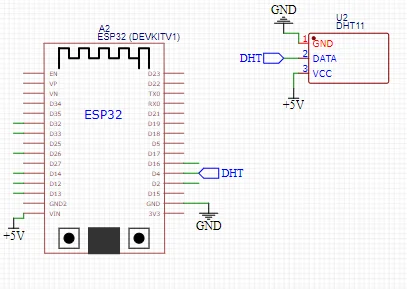
The Future of Energy Distribution Circuit Diagram
1. Consumer Electronics. WPT is widely used in powering and charging everyday devices, offering convenience and eliminating cable clutter. Smartphones and Wearables: Devices like phones, smartwatches, and earbuds benefit from wireless charging technologies such as Qi and MagSafe. Home Appliances: Cordless kitchen gadgets and entertainment systems use mid-range wireless power for a streamlined including low power consumption, long wireless connectivity ranges and higher processing power. This paper explores how ARM®-based wireless microcontrollers can meet the most demanding requirements of IoT systems. IoT Sensor Node Requirements . The network topology of IoT systems is comprised of simple nodes that collect and transmit a

How to build an IoT System? Building an IoT system involves several steps. Here's a general overview of the process: Define the Objective: Determine the purpose of your IoT system. Identify the problem you want to solve or the opportunity you want to explore. Clearly define your goals and desired outcomes.
